
The worst day hits fast. Prepare faster
Natural disasters can be devastating and unpredictable, often leaving communities in shock and distress. They can cause immense damage to infrastructure, property, and lives. It is important to be aware of the potential risks associated with natural disasters so that we can take necessary precautions to protect ourselves and our loved ones.
Natural disasters can be incredibly destructive, but the right equipment can help minimize their impact. From evacuation plans to life-saving devices, having the right tools on hand is essential for staying safe in a natural disaster. Knowing which items are most important ahead of time can help you prepare and stay safe during an emergency. In this section, we will explore the different types of natural disasters, their causes, effects on people and the environment, as well as preventive measures that can be taken. We will also look at how Important equipment can help us better prepare for these disasters in the future.
Natural disasters can cause great destruction and disruption to our lives. Hurricanes, tropical storms, landslides, debris flow, thunderstorms and lighting, tornadoes, tsunamis, wildfires and winter storms are some of the most common natural disasters that can occur in any part of the world. These events can cause major damage to infrastructure and property as well as endanger human lives. It is important to be aware of the potential dangers posed by these natural disasters so that we can be better prepared for them.
Here are some examples of natural disasters
Earthquakes are strong, sudden movements of the Earth’s surface that typically last only a few seconds to a minute. They occur when the pressure and friction inside an area becomes too great to allow the rock below it to deform, so the land releases energy in a seismic wave that travels through the ground. This can cause movement of earth and water, such as landslides, tsunamis and volcanic eruptions. The earthquakes can cause damage by collapsing structures (e.g., buildings or bridges), thrusting debris into nearby areas, inducing landslides or mudslides which block.
Wildfires are a natural disaster that occur when uncontrolled fires spread through grass, brush, and timber. They can be caused by lightning strikes, human activities, or due to extreme weather conditions. Wildfires can cause extensive damage to property and the environment, as well as loss of life. Understanding the causes of wildfires and how to prepare for them is essential in order to limit their destructive effects.
Ice storms are powerful natural disasters that can cause extensive damage to property and infrastructure. They occur when freezing rain accumulates on the ground or other surfaces, creating a thick layer of ice. The weight of the ice can cause power lines to snap, trees to break and roofs to collapse. Ice storms can be very dangerous and should be taken seriously.
Volcanic activity is one of nature’s most destructive forces. It can cause widespread destruction and loss of life, as well as long-term environmental damage. From lava flows to ash clouds, these natural disasters can have a devastating impact on communities near active volcanoes. Fortunately, technology and modern monitoring systems are helping us better understand and prepare for volcanic eruptions.
Hurricanes are a type of natural disaster that can cause tremendous destruction. They form over the warm, tropical waters of the Atlantic Ocean, Caribbean Sea, and Gulf of Mexico, and have the potential to bring heavy rains, strong winds, flooding and storm surge. These powerful storms can last for days or weeks and are capable of causing massive destruction in their path.
Coastal flooding is a natural disaster that occurs when high tides, storm surges, and extreme weather cause water levels to rise above normal levels. This can lead to significant damage to property and infrastructure, as well as loss of life. Coastal flooding is often worsened by climate change and sea level rise, making it a major challenge for coastal communities around the world.
Therefore, it is very important to prepare for natural disasters. There are areas in the world where the likelihood of a certain type of natural disaster is higher than others, but it is always worthwhile to understand and prepare for most of them.A fire, a flood and an earthquake can happen anywhere and at any time God forbid! Be prepared!

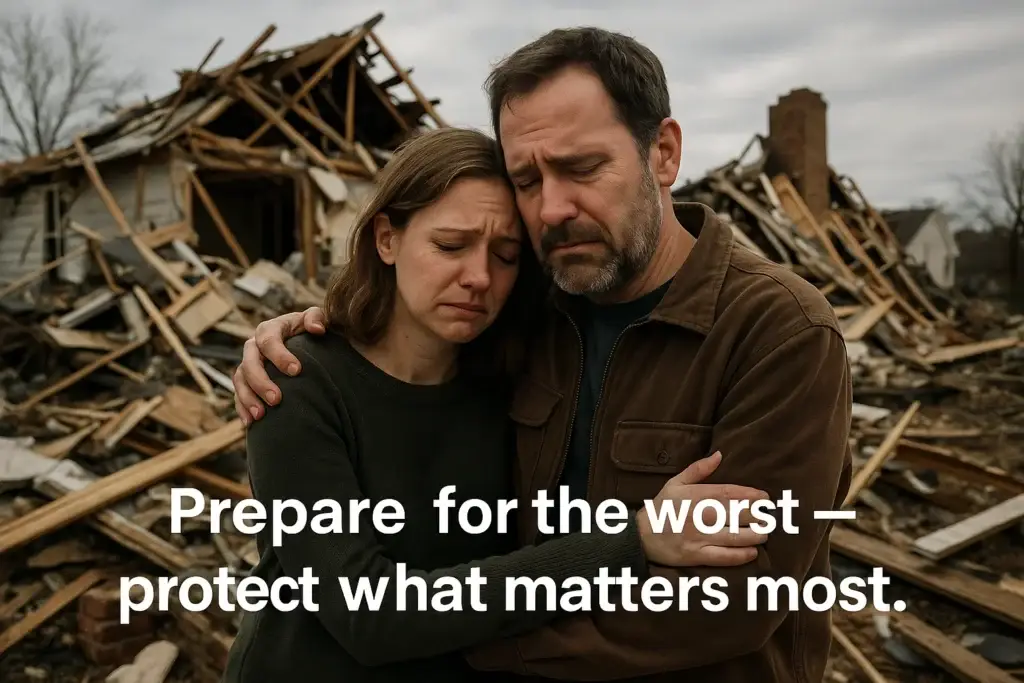
🔥 Essential Emergency Items Every Home Must Have
When disaster strikes, it’s already too late to start preparing.
Earthquakes, wildfires, floods and severe storms hit without warning — and the difference between safety and tragedy often comes down to one simple thing: having the right emergency gear ready.
Most people believe they’ll have time to react.
They won’t.
In every major disaster, the people who stay safe are the ones who prepared before the crisis.
This guide lists the essential items you must have for every type of natural disaster — from power outages to wildfires. These aren’t “nice to have” gadgets…
They’re life-saving tools trusted by survival experts, first responders, and emergency organizations worldwide.
For your convenience, we’ve included direct links to recommended, high-quality emergency products — so you can get what you need quickly, before the next disaster hits.
Every item in the list is there for one reason:
👉 It dramatically increases your chances of staying safe.
Don’t wait for an emergency to wish you had prepared.
Take action now — protect your home, your family, and yourself.
| Disaster Type | Must-Have Emergency Items | Why It’s Essential |
|---|---|---|
| Earthquake | • 72-Hour Survival Kit• First Aid Kit• Emergency Whistle• Dust Mask (KN95)• Flashlight & Batteries• Emergency Water Storage | Buildings may collapse, power and water may be cut off. You must be self-sufficient for at least 72 hours. |
| Flood | • Waterproof Bag• Water Purification Tablets / Filter• Battery-Powered Radio• Dry Clothing• Emergency Blanket | Floods contaminate water sources and destroy belongings. Staying dry and having clean water is critical. |
| Wildfire | • KN95 / FFP2 Respirator Mask• Fireproof Emergency Blanket• Fire Extinguishing Ball• Evacuation Go-Bag• Safety Goggles | Smoke, ash, and fast-moving fire make breathing protection and fast evacuation vital. |
| Hurricane / Typhoon | • Portable Power Station• Water Containers• Non-Perishable Food• Waterproof Flashlight• Multi-Tool• Emergency Radio (NOAA) | Long power outages and blocked roads require independent power, food, and communication. |
| Tornado | • Helmet / Head Protection• Battery Flashlight• Heavy Shoes• Thick Gloves• Whistle• First Aid Kit | Tornadoes cause extreme debris — head and limb protection saves lives in shelters. |
| Winter Storm / Blizzard | • Thermal Blankets• Hand Warmers• Non-Electric Heater• Extra Layers• Food & Water• Car Emergency Kit | Extreme cold and road blockages demand warmth, shelter and supplies. |
| Power Outage (Blackout) | • Solar Charger / Power Bank• LED Lantern• Backup Batteries• Battery-Powered Fan (summer)• Radio | Communication, lighting, and charging are the first to fail — backups avoid dangerous conditions. |
| Heatwave | • Cooling Towels• Portable Fan• Electrolyte Packs• Water Containers• Generator / Power Station | Preventing overheating and dehydration is critical during extreme heat. |
| Emergency Evacuation (Any Disaster) | • Go-Bag• Important Documents Folder• Multi-Tool• Cash• GPS Device• Survival Multi-Tool (Pliers, Blade, Saw)• Hygiene Kit | In sudden evacuations, you need a bag ready to grab in 10 seconds. |

Disclaimer:
Some links on this page are affiliate links, which means I may earn a commission if you purchase through them — at no extra cost to you.
All recommendations are based on relevance and usefulness for emergency preparedness.
For full details, please read our Privacy & Affiliate Disclosure Policy.