
Earthquakes
What are the types of earthquakes
Earthquakes are a natural disaster that can have devastating effects on both people and infrastructure. These seismic events can cause a range of damages, from small cracks in buildings to complete destruction, and can also lead to secondary disasters such as landslides and tsunamis. In order to prepare for earthquakes, it’s essential to have the right equipment on hand. In this article, we will discuss the types of natural disasters caused by earthquakes and the equipment needed to prepare for them.
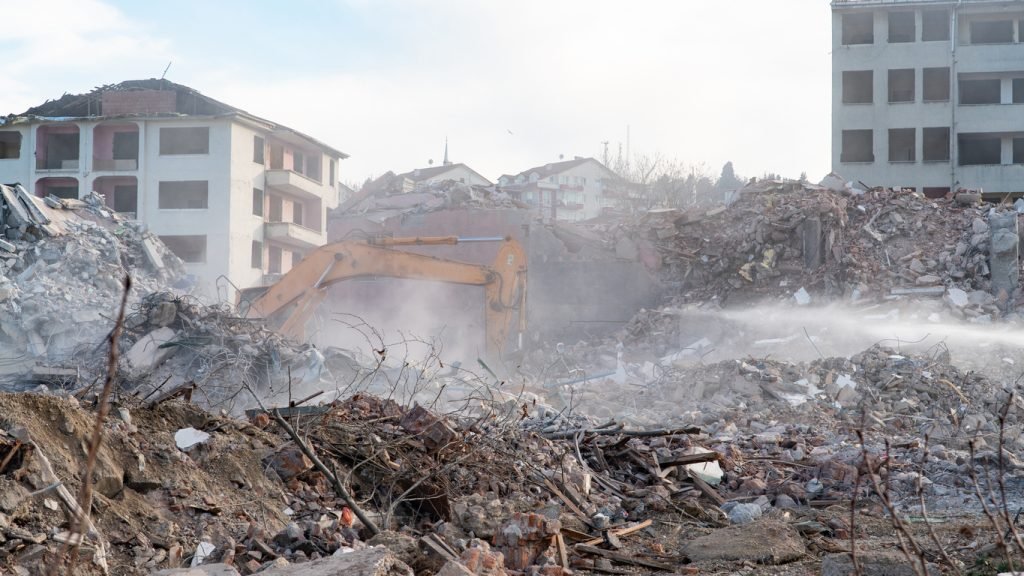
Types of Natural Disasters Caused by Earthquakes
- Ground Shaking
Ground shaking is the most common and immediate effect of an earthquake. It can cause damage to buildings, roads, and other infrastructure. The intensity of ground shaking depends on the earthquake’s magnitude and the proximity of the epicenter to populated areas.
- Landslides
Earthquakes can cause landslides, particularly in mountainous regions. The shaking caused by an earthquake can destabilize slopes and cause rockfalls, debris flows, and landslides. Landslides can damage buildings, roads, and other infrastructure and can also lead to loss of life.
- Tsunamis
Tsunamis are large ocean waves generated by earthquakes. They can travel across entire oceans and can cause significant damage to coastal communities. Tsunamis can cause flooding, damage to buildings and infrastructure, and loss of life.
Equipment Needed to Prepare for Earthquakes
In the event of an earthquake, it’s important to have emergency supplies on hand, including water, food, and first aid supplies. It’s recommended to have enough supplies to last for at least three days.
First aid kits are essential for treating injuries that may occur during an earthquake. A basic first aid kit should include bandages, antiseptic, gauze, and other medical supplies.
Earthquakes can damage gas lines and electrical systems, which can lead to fires. Having a fire extinguisher on hand can help to put out small fires before they spread.
In the event of a power outage, portable radios can provide important information about the earthquake and any emergency response efforts. Battery-powered or hand-cranked radios are recommended.
Earthquakes can cause power outages, which can leave people in the dark. Flashlights can provide much-needed light in these situations and can also be used to signal for help.
In the event of an earthquake, debris and broken glass can pose a significant risk to people. Wearing protective gear such as helmets, gloves, and sturdy shoes can help to prevent injuries.
After a major earthquake, ruptured gas lines are one of the leading causes of post-quake fires. A dedicated 4-in-1 non-sparking shut-off wrench lets you quickly turn off the gas and water at the main valve, even in the dark. Keep it tethered next to the meter so it’s always within reach
8. Furniture & Water-Heater Anchor Straps
The best earthquake gear is what you install before the shaking starts. Anti-tip furniture straps, TV anchors, and a water-heater strapping kit keep heavy items from toppling onto people or snapping gas and water connections. Securing bookshelves, dressers, and the water heater dramatically reduces injuries and damage.
9. Museum Putty / Earthquake Hold Gel
Small but effective — earthquake putty secures vases, electronics, and breakables to shelves so they don’t become flying hazards during a tremor. An inexpensive way to earthquake-proof every room in minutes.
10. Fireproof & Waterproof Document Bag
Keep passports, insurance papers, and cash in a fireproof, waterproof pouch so your critical documents survive both the quake and any fire that follows.
Important to remember
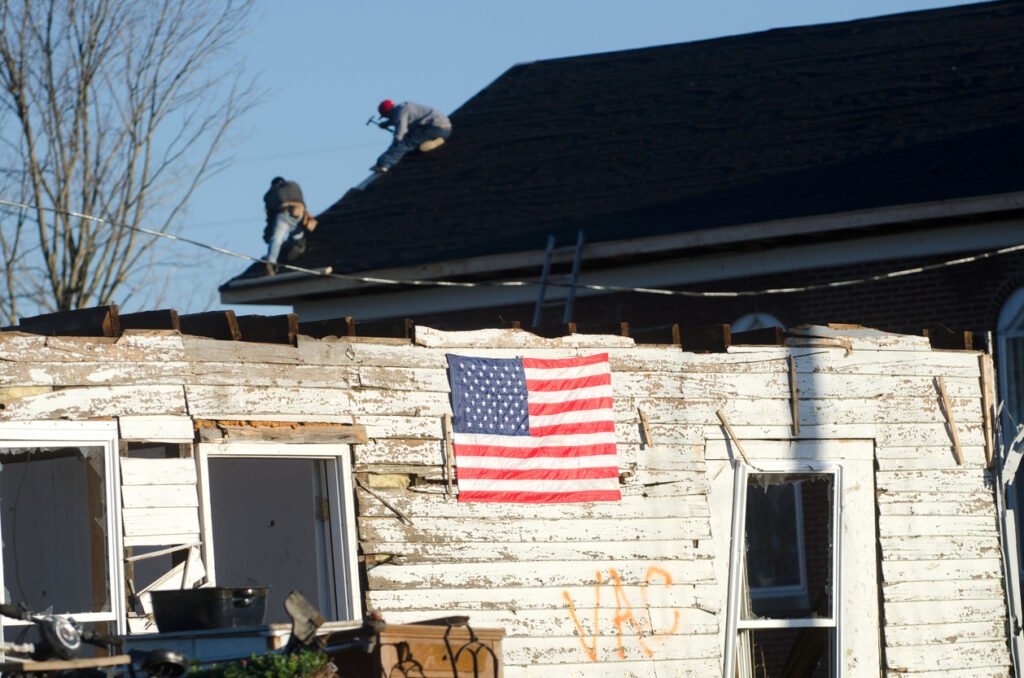
Earthquakes are a natural disaster that can have severe consequences. However, by preparing for earthquakes with the right equipment, people can minimize the risks associated with these seismic events. Emergency supplies, first aid kits, fire extinguishers, portable radios, flashlights, and protective gear are essential items that should be kept on hand in the event of an earthquake. By being prepared, people can increase their chances of staying safe during an earthquake and the aftermath that follows.