
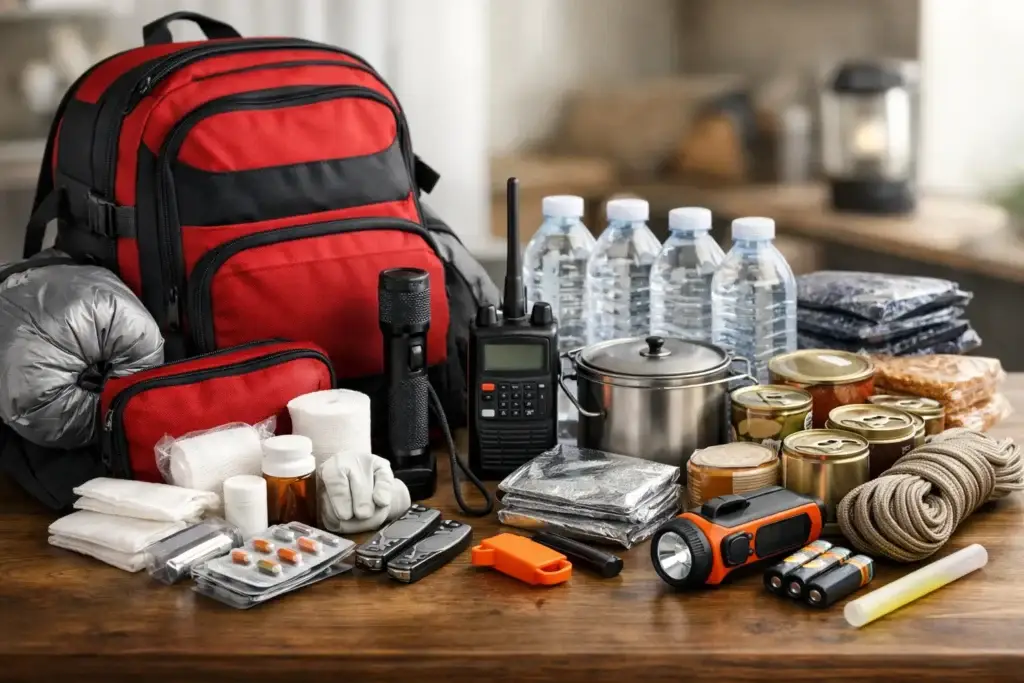
A warning can arrive hours before a hurricane, wildfire, or winter storm. An earthquake, tornado, house fire, or sudden power failure may give you no warning at all. If you are searching for what to put in 72 hour emergency kit, do not treat it as a someday project. Your household needs enough supplies to stay safe when stores are closed, roads are blocked, tap water is unsafe, and help is delayed.
A 72-hour kit is not a camping box filled with random gear. It is a portable supply system built around the first three days of disruption, when conditions can be chaotic and your normal routines can fail fast. Build it for the people, pets, medications, weather, and disaster risks that apply to your home.
What to Put in a 72 Hour Emergency Kit
Start with the essentials that keep your family alive and able to make good decisions: water, food, medical supplies, shelter, light, communication, and critical documents. Put the kit in sturdy, easy-to-carry containers. A waterproof tote works for supplies kept at home, while backpacks or duffel bags are better if evacuation is likely.
Water comes first
Store at least one gallon of water per person per day for three days. That means a household of four needs at least 12 gallons. This baseline covers drinking and minimal sanitation, but hot climates, pregnancy, illness, young children, and pets can require more.
Keep a second way to make questionable water safer. Water purification tablets, a filter designed for emergency use, and a metal container for boiling water provide backup if stored water runs low. Do not assume a refrigerator filter, backyard hose, or clear-looking floodwater is safe to drink.
Food that works without a kitchen
Pack three days of nonperishable food for every person. Choose foods your family already eats, including shelf-stable meals, canned proteins, nut butter, crackers, granola bars, dried fruit, ready-to-eat rice or pasta pouches, and comfort foods for children. A stressful evacuation is not the time to learn that everyone refuses the emergency rations.
Include a manual can opener, utensils, paper plates, and a small trash bag supply. If you pack freeze-dried meals, remember they require water and often hot water. They can be useful, but they should not be the only food in your kit during a power outage or evacuation.
Medical and sanitation supplies
A basic first-aid kit is necessary, but it is not enough for most households. Add bandages in several sizes, gauze, adhesive tape, antiseptic wipes, antibiotic ointment, tweezers, gloves, pain relievers, fever reducers, antihistamines, burn gel, and any supplies needed for known medical conditions.
Keep at least a seven-day supply of prescription medications when possible, along with a printed medication list showing names, doses, allergies, prescribing doctors, and pharmacy information. Medical access may be limited long after the first 72 hours, especially after widespread flooding, severe storms, or wildfire evacuations.
For sanitation, pack toilet paper, hand sanitizer, soap, moist wipes, menstrual products, toothbrushes, toothpaste, heavy-duty trash bags, and zip-top bags. If water service fails, trash bags can help manage waste and protect wet or contaminated items until you can safely dispose of them.
Light, power, and reliable information
When the power goes out, darkness changes everything. It makes injuries more likely, complicates evacuation, and makes it harder to find supplies. Pack flashlights or headlamps for every household member who can use one, plus spare batteries. Headlamps are especially useful because they keep both hands free for first aid, carrying children, or moving through debris.
Add a battery-powered or hand-crank emergency radio capable of receiving local weather and emergency alerts. Cell service can become overloaded, damaged, or unavailable. A radio gives you a source of official information when social media rumors are spreading faster than verified instructions.
Your kit should also include fully charged power banks, charging cords, and a car charger. A portable power station can be valuable for longer outages, medical equipment, or essential devices, but it is heavier and may not belong in an evacuation bag. Match your power plan to how you may need to move.
Protection for the conditions outside
The best items for a 72-hour emergency kit depend on the disaster. Still, every kit needs basic protection from weather, smoke, dust, and exposure. Pack seasonally appropriate layers, rain gear, sturdy closed-toe shoes, work gloves, blankets or sleeping bags, and an emergency blanket for each person.
N95 masks belong in many household kits. They can help reduce exposure to wildfire smoke, dust, ash, mold spores, and debris particles after a storm or earthquake. They are not a substitute for evacuating from dangerous smoke or toxic air, but they are far better than relying on a loose cloth covering.
Add safety goggles, especially in wildfire, tornado, hurricane, or earthquake regions. A simple pair can protect eyes from windblown debris, ash, broken glass, and dust while you move to safety or assess damage.
Documents, money, and the information stress makes you forget
Place copies of essential documents in a waterproof pouch. Include identification, insurance policies, property records, medical information, emergency contacts, and copies of pet vaccination records. Keep originals secured separately when possible, but have accessible copies ready to leave with you.
Cash in small bills matters when power failures take down card readers, ATMs, or internet service. Keep enough for fuel, food, lodging, and basic supplies. Also pack spare keys, a printed local map, and a written family communication plan. Do not rely on everyone remembering phone numbers when they are frightened or separated.
For children, include a recent family photo and identification information. For older adults or people with disabilities, add written care instructions, mobility aids, backup batteries, hearing aid supplies, or other personal equipment that cannot be replaced quickly.
Do not forget pets and babies
A family kit that ignores dependents is incomplete. Pack pet food, water, bowls, a leash or carrier, waste bags, medication, and veterinary records. Disaster shelters and hotels may have restrictions, so a carrier and current documentation can make a difficult situation more manageable.
For babies and toddlers, add diapers, wipes, formula or ready-to-feed bottles, bottles, infant medications, a change of clothes, and familiar comfort items. Plan for more than the bare minimum. Young children go through supplies quickly, and a favorite blanket or small toy can reduce panic during a long evacuation.
Build for your local threats, not a generic checklist
A standard kit is the starting point. The risks around your home determine what comes next. Wildfire households should add extra N95 masks, goggles, and fire-resistant document storage. Hurricane and flood households need waterproof bags, extra water, tarps, and tools to shut off utilities. Winter storm households need more cold-weather layers, chemical hand warmers, and safe backup heat planning.
Earthquake-prone homes benefit from a wrench for utility shutoffs, sturdy shoes near the kit, and extra supplies for injuries caused by broken glass or fallen objects. In tornado country, keep a smaller grab-and-go kit in or near the safest interior shelter area. You may have minutes, not hours, to reach it.
Avoid packing items that create new risks. Do not store fuel, propane, charcoal, or a generator inside your home, garage, or evacuation bag. Do not use candles as your primary light source. And never operate fuel-burning equipment indoors or near open windows. Carbon monoxide can kill quietly while a family is focused on staying warm.
Keep the kit usable
A kit assembled once and forgotten is only partly prepared. Check it every six months, preferably when clocks change. Replace expired food, water, medicine, batteries, and infant supplies. Update documents, clothing sizes, contact lists, and pet records. Test flashlights, radios, power banks, and water filters before an emergency exposes a failure.
Store the main kit where adults can reach it quickly, but protect it from extreme heat, moisture, pests, and floodwater. Tell everyone in the household where it is. A well-stocked bin does not help if only one person knows its location or how to use the gear inside.
The worst day hits fast. Start with water, medicine, light, and food today, then build outward for the hazards your family actually faces. The goal is not to own every survival product. The goal is to make sure the people who depend on you are not forced to improvise when time, power, and safe options disappear.